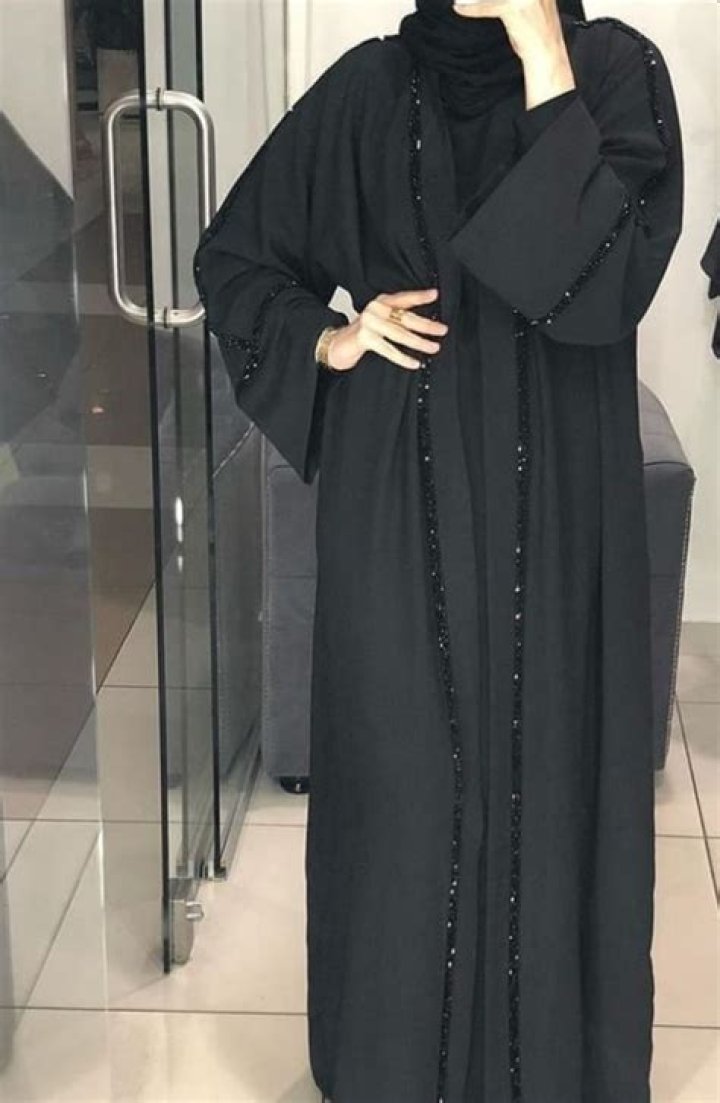
In the tapestry of Islamic fashion, the Hajj abaya stands as a symbol of both reverence and style, embodying the intersection of modesty and grace.
As pilgrims take part in Hajj, their attire serves more than simply as fabric: It becomes an emblematic sign of their spiritual commitment and commitment.
As part of our exploration, we reveal the timeless elegance and cultural relevance of Hajj abayas; delving into their historical relevance, design elements and cultural resonance as worn garments among pilgrims worldwide.
The Essence of Hajj Abayas:
Hajj, or pilgrimage to Mecca, is definitely an enormous spiritual undertaking for countless Muslims around the world every year.
As pilgrimage involves sticking to a particular rituals and attire plays a vital part in the sacred journey, proper clothing can enjoy a crucial part.
The Hajj abaya, with its flowing silhouette and modest design, encapsulates the essence of the pilgrimage, allowing pilgrims to navigate the rituals with both dignity and comfort.
Historical Significance:
The idea of modest attire in Islamic tradition has deep historic roots, which is reflected in the style of Hajj abayas.
The flowing and loose fitting outfit finds inspiration within the traditional attire worn through the Prophet Muhammad (peace be upon him) and the buddies.
As pilgrims follow within the actions of those revered figures during Hajj, the option of clothing becomes a method to interact with the historic legacy of Islam.
Design Elements:
1. Flowing Silhouette:
Hajj abayas are characterized by their loose and flowing silhouettes. This design allows for ease of movement, a practical necessity during the physically demanding rituals of Hajj. The flowing nature of the abaya also symbolizes a sense of surrender and humility before the divine.
2. Modest Necklines and Sleeves:
Modesty is at the core of Islamic dress, and Hajj abayas adhere to this principal by featuring modest necklines and sleeves.
Design of garment ensures appropriate coverage while complying with cultural and religious norms associated with pilgrimages.
3. Lightweight Fabric:
With Mecca’s harsh climate in mind, lightweight yet breathable fabrics such as cotton or chiffon tend to be preferred as Hajj abaya fabrics for offering comfort during an intense heat wave.
Material selection should be given careful thought so as to maximize pilgrims’ comfort during physically taxing rituals.
4. Simple Embellishments:
Hajj abayas are known for their simplistic yet refined appearance; yet subtle embellishments or embroidery may add flair.
Tasteful embellishments add an air of sophistication while not violating modesty, such as delicate floral patterns or verses from the Quran.
5. Cultural Resonance:
Beyond its religious significance, the Hajj abaya holds cultural resonance for Muslim communities worldwide.
As pilgrims from diverse backgrounds congregate at Mecca, their garment serves as a visible manifestation of unity and shared identity.
Style and color reflect the rich tapestry of Islamic cultures and demonstrate its beauty through unity among diversity.
6. Contemporary Trends:
While rooted in tradition, Hajj abayas have not remained immune to contemporary influences.
Today, designers infuse modern elements in to the traditional outfit, supplying a fusion of timeless elegance and design.
Pilgrims now can select from a number of styles, colors, and fabrics, permitting a customized expression of belief while embracing individual preferences.
Selecting the Perfect Hajj Abaya:
Choosing a Hajj abaya involves thoughtful consideration of both religious and personal preferences.
Pilgrims often seek garments that strike a balance between tradition and comfort, allowing them to fully immerse themselves in the spiritual journey. Here are some considerations for selecting the perfect Hajj abaya:
1. Comfortable Fit:
Prioritize comfort when selecting a Hajj abaya. Ensure that the garment allows for ease of movement and breathability, especially considering the physical demands of the pilgrimage.
2. Modesty and Coverage:
Embrace the spirit of modesty by choosing an abaya with appropriate coverage. Check the neckline, sleeves, and length to ensure they align with your personal and religious preferences.
3. Weather-Appropriate Fabric:
Mecca’s climate can be intense, so opt for a lightweight and breathable fabric. Cotton and chiffon are popular choices that provide comfort in the heat while maintaining modesty.
4. Personal Style:
Tradition plays an essential part of pilgrimage; however, individual style may also be expressed through personal expression through color choices and embellishments. Some pilgrims might opt for classic black abayas while others might choose subtle hues or intricate designs.
5. Quality and Durability:
Make an investment in an abaya that will withstand the wear and tear of pilgrimage with quality stitching and long wearing fabric to prolong its value well past this journey. Make it something to cherish beyond any pilgrimage journeys!
Conclusion
Hajj abayas transcend fashion; they represent faith, cultural identity and Muslim unity. When pilgrims embark upon Hajj’s holy pilgrimage journey, their chosen attire acts as an embodiment of devotion, humility and cultural tradition that connects back to Islamic heritage.
Fashion trends often shift and evolve quickly; yet in an industry defined by short lived fads and trends, modest attire remains timeless elegance. The Hajj abaya stands as an enduring reminder of modest attire’s timeless grace; effortlessly merging tradition and contemporary aesthetics for pilgrimage ceremonies of Hajj with reverence and style. As pilgrims embark upon this life altering pilgrimage journey, pilgrim abayas become more than clothing; they symbolize faith’s enduring beauty while uniting pilgrimage together as pilgrims journey as one body in prayerful unity.