I know at this point you’re probably thinking “it’s really not that deep,” but walk with me. There is something distinctly demoralizing about the fact that the site formerly known as Twitter has been in a steady right-wing death spiral since Elon Musk acquired it, and has become an increasingly hostile place for trans people, people of color, and those who fall at the intersection of both.
Trans Twitter was a special place on the internet, and while it still exists to an extent, it simply can’t be the vibrant ecosystem of trans digital culture that it once was, considering, for example, that X now deems “cisgender” a slur. That’s not even to touch on the exceedingly obvious fact that trans people in the U.S. and worldwide are increasingly being barred from life-saving healthcare and public life as a whole.
Even our digital spaces are dwindling — before the downfall of Trans Twitter, there was the downfall of Trans Tumblr, spurred by the passage of 2018’s anti-sex work legislation SESTA-FOSTA. Lawmakers, both Democratic and Republican, are continuing to push legislation that purports to keep children “safe” from adult content on the internet, such as the Kids Online Safety Act and age verification laws. But as advocates have pointed out, these laws fail to actually keep children safe and will likely lead to further suppression of queer/trans people on the internet, as the right wing is increasingly painting all things remotely LGBTQ+ as “pornographic.”
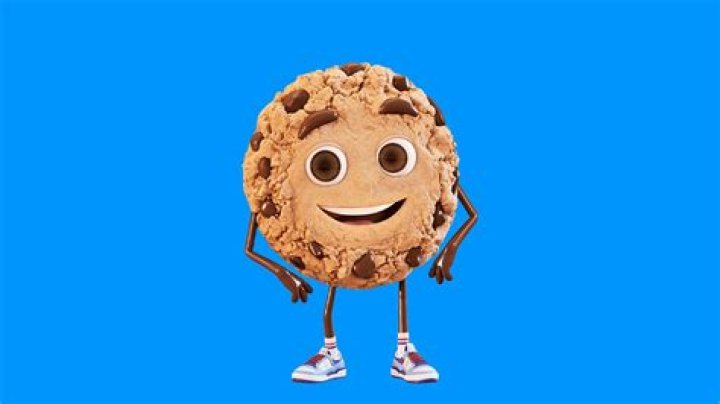
Watching the Brands try to do cringey LGBTQ+ allyship has always been a favorite pastime of the queer/trans internet. In my “research” for this blog, I was reminded of the time that Oreo tweeted, “Trans people exist,” which continues to make me laugh out loud. But there’s an important difference between that and a brand account uncannily emulating your average trans Twitter poster. The dynamic of corporations mimicking marginalized voices is hardly new: Black Twitter, specifically, has been rightly identified as the origin point of much of internet culture, with marketing agencies and brand accounts co-opting the community’s voice. Maybe it shouldn’t be so pointedly discouraging to see a cookie company make an FFS joke. Still, watching Chips Ahoy post about getting “clocked” while our online communities are being scattered to the winds is uncanny, like witnessing a digital zombie rising from the grave. As one user posted, “this feels like a strange new blend of cultural appropriation, rainbow capitalism and internet brain rot.” (“this should be a flavor not gonna lie,” the user added, with the perfect hint of irony typical of actual Trans Twitter humor.)