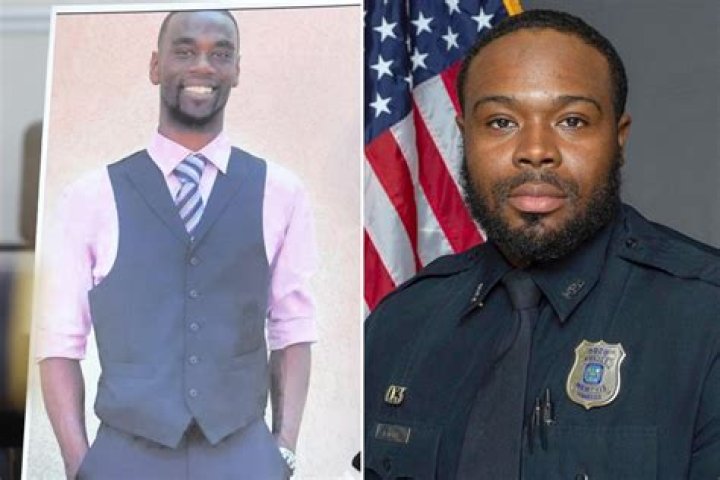
Demetrius Haley, a former Memphis Police Officer has received significant media coverage due to allegations regarding law enforcement conduct, accountability and his involvement with Tyre Nichols’ tragic death. This article explores Demetrius Haley’s background, allegations made against him as well as its wider implications.
Who Is Demetrius Haley?
Demetrius Haley, 30, an ex-Memphis Police Officer has recently come under scrutiny following Tyre Nichols’ fatal shooting. When Haley joined Memphis PD as a probationary Officer back in August 2020 after having held similar posts at Shelby County Corrections prior to that, his starting probationary salary was $45,623.50 per annum.
Haley’s transition from corrections officer to police officer illustrates a journey not uncommon in law enforcement; yet it highlights their varied training, experiences, and backgrounds that inform their roles as law enforcers. Her role in Tyre Nichols’ brutal beating which resulted in hospitalization and eventual death has caused police practices, use of force tactics, and accountability mechanisms more closely scrutinized than ever.
What Happened to Tyre Nichols?
Case Synopsis: Tyre Nichols died as the result of being assaulted during a traffic stop conducted by five Memphis Police officers including Haley on January 7, 2023; four officers including Haley were responsible for assaulting Nichols such that hospital staff provided treatment before his passing three days later; CJ Davis held Haley responsible as directly committing physical abuse towards Nichols during this encounter.
This tragic event has reignited discussions of police brutality, systemic racism within law enforcement, and reform efforts aiming to address them all. Public outrage against officers involved as well as subsequent charges show how deeply this case impacted community relations overall and highlight our nation’s continuing battle to deal with matters of police misconduct head on and resolve related problems effectively.
Why Was Demetrius Haley Arrested?
Demetrius Haley was arrested at Shelby County Jail in Memphis on January 26, 2023 before posting a $350,000 bond by afternoon and being released. Although his arrest wasn’t the result of any specific legal issues raised against him before this instance; an earlier lawsuit filed in 2016 for beating Cordarrius Sledge was later dismissed in 2018 suggesting an ongoing pattern and raising serious oversight concerns within law enforcement agencies.
On February 17 2023, Haley was charged with second-degree murder, two counts of kidnapping, official misconduct and official oppression for her involvement with Tyre Nichols’ incident, along with video showing an altercation among officers involved. A date will likely be set for an arraignment hearing date to all officers implicated.
The Larger Implications of the Case
Demetrius Haley’s death and Tyre Nichols’ case form part of an emerging narrative about police brutality, racism injustice and system reform. Their narrative has brought forth important questions surrounding recruiting, training and evaluation procedures used by law enforcement officers as well as accountability systems put into place when their performance falls below standards of professionalism.
As this case unfolds, a dialogue has emerged regarding law enforcement relationships with their communities of service, with emphasis placed upon trustworthiness, transparency and accountability as essential aspects for creating safe societies. As legal proceedings against Haley and his co-defendants continue, everyone awaits justice for Tyre Nichols while hoping meaningful steps will be taken toward preventing future tragedies from unfolding.
Conclusion Demetrius Haley’s case represents more than an isolated event; instead it illuminates systemic problems which require immediate and decisive action to address and act upon. By carefully considering his background and events surrounding Tyre Nichols’ death as well as any legal/societal reactions as a result of these events and subsequent legal/societal responses we gain insight into American law enforcement as an institution in need of reform, as well as society as a whole.